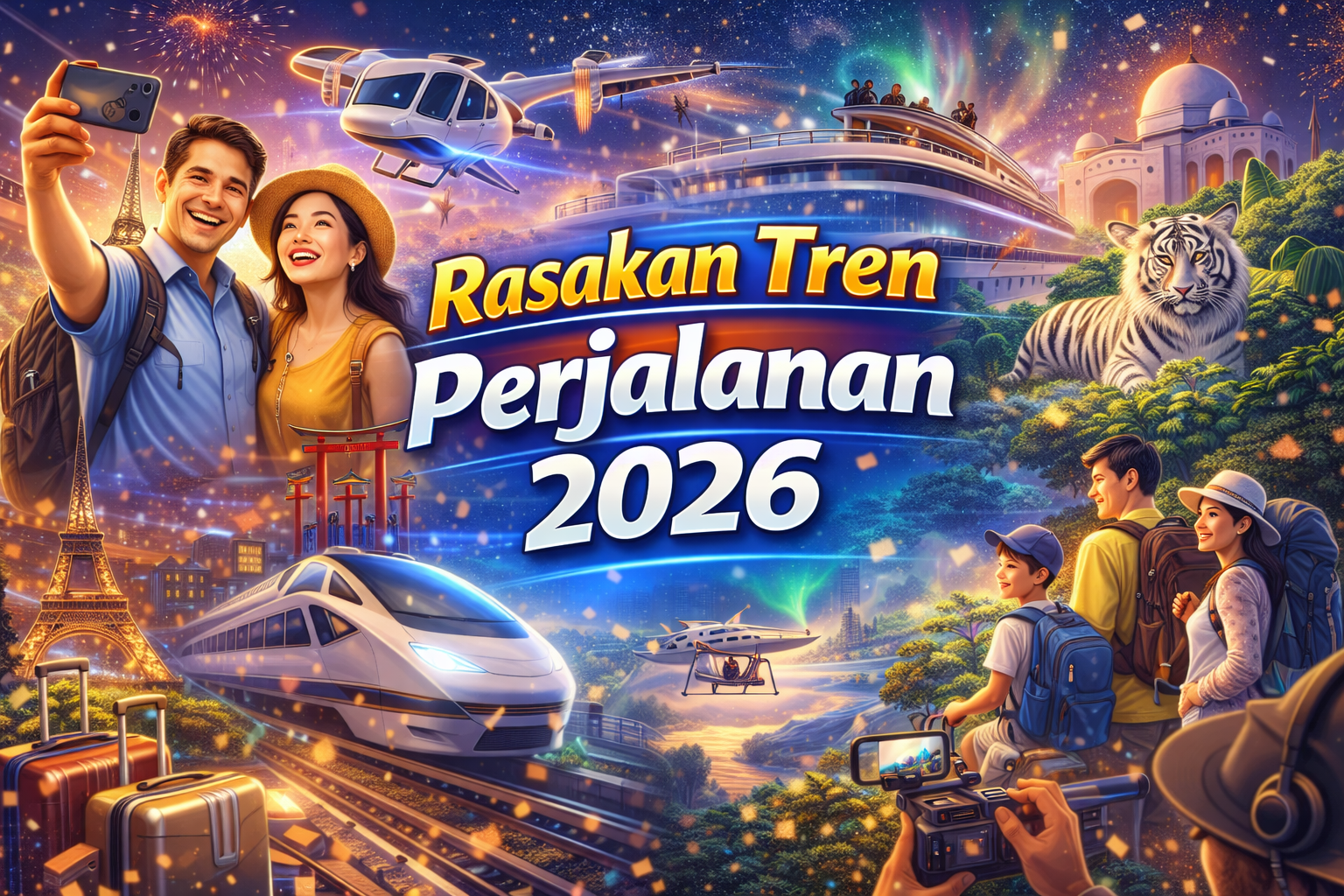

Rasakan Tren Perjalanan 2026, dunia pariwisata global kini mengalami transformasi besar yang mengubah cara manusia menjelajahi keindahan planet bumi ini. Para petualang modern kini lebih mengutamakan nilai-nilai keberlanjutan dan koneksi emosional mendalam saat mereka berlibur. Anda harus segera bersiap untuk menyambut perubahan paradigma ini agar tetap relevan dengan perkembangan zaman yang ada. Mari kita bersama-sama mengeksplorasi setiap sudut dunia baru ini dan segera rasakan perjalanan sekarang juga.
Inovasi teknologi digital dan kecerdasan buatan sekarang memegang peranan kunci dalam menyusun rencana perjalanan yang sangat personal. Wisatawan tidak lagi menyukai paket tur massal yang kaku dan membosankan seperti pada dekade yang lalu. Mereka menginginkan fleksibilitas total serta rekomendasi destinasi yang sesuai dengan kepribadian unik masing-masing individu. Anda akan menemukan keajaiban baru dalam setiap langkah kaki saat Anda mulai mencoba dan Rasakan Tren Perjalanan 2026 yang penuh kejutan.
Evolusi Gaya Hidup Nomaden Digital
Para pekerja jarak jauh sekarang mencari destinasi yang menawarkan infrastruktur internet cepat sekaligus keindahan alam yang sangat menakjubkan. Mereka menggabungkan produktivitas kerja dengan rekreasi fisik untuk menjaga keseimbangan kesehatan mental yang sangat penting di masa sekarang. Tren bleisure ini terus berkembang pesat dan memberikan dampak ekonomi positif bagi banyak desa wisata di pelosok negeri. Anda bisa menjadi bagian dari revolusi kerja masa kini sambil tetap konsisten untuk Rasakan Tren Perjalanan 2026.
Kualitas hidup menjadi prioritas utama bagi para pengelana yang memilih menetap lebih lama di satu lokasi tertentu saja. Mereka belajar bahasa lokal serta mengikuti kursus memasak tradisional untuk memperkaya pengalaman hidup mereka selama berada di sana. Interaksi sosial dengan penduduk asli memberikan perspektif baru yang tidak akan pernah Anda dapatkan melalui buku panduan wisata. Inilah saat yang paling tepat bagi Anda untuk keluar dari zona nyaman dan Rasakan Tren Perjalanan 2026.
Keamanan data pribadi dan kemudahan transaksi digital menggunakan mata uang kripto atau dompet elektronik menjadi standar pelayanan utama. Destinasi yang mengadopsi teknologi pembayaran nirkabel secara luas akan lebih mudah menarik minat para wisatawan mancanegara yang modern. Anda tidak perlu lagi membawa banyak uang tunai saat menjelajahi pasar tradisional yang sudah menggunakan sistem QRIS global. Mari kita manfaatkan kemajuan teknologi ini dan mulai berani untuk Rasakan Tren Perjalanan 2026 dengan penuh rasa percaya diri.
Wisata Berkelanjutan dan Regeneratif
Kesadaran akan kelestarian lingkungan kini mendorong munculnya konsep wisata regeneratif yang bertujuan memperbaiki ekosistem yang telah rusak sebelumnya. Wisatawan aktif berpartisipasi dalam kegiatan penanaman mangrove atau restorasi terumbu karang di sela-sela waktu bersantai mereka di pantai. Mereka tidak hanya ingin melihat keindahan alam tetapi juga ingin memastikan bahwa generasi mendatang masih bisa menikmati keajaiban tersebut. Anda memiliki tanggung jawab moral yang besar untuk ikut serta dan Rasakan Tren Perjalanan 2026.
Hotel dan resor mewah sekarang berlomba-lomba menerapkan sistem energi terbarukan serta pengelolaan limbah nol sampah yang sangat ketat. Mereka menggunakan bahan bangunan lokal dan mempekerjakan tenaga kerja dari masyarakat sekitar untuk meningkatkan taraf hidup komunitas lokal tersebut. Pilihan akomodasi yang ramah lingkungan ini mencerminkan karakter wisatawan yang semakin cerdas dan peduli pada masa depan bumi. Pastikan Anda memilih tempat menginap yang mendukung visi hijau ini agar dapat Rasakan Tren Perjalanan 2026.
Pengurangan jejak karbon menjadi misi utama bagi setiap maskapai penerbangan yang menawarkan penerbangan langsung dengan bahan bakar alternatif. Banyak orang kini lebih memilih perjalanan darat menggunakan kereta api cepat yang menawarkan pemandangan indah di sepanjang jalur lintasan. Anda akan merasakan kedamaian yang luar biasa saat menikmati perjalanan yang lambat namun sangat berkualitas dan penuh makna. Gunakan kesempatan emas ini untuk mengubah gaya hidup perjalanan Anda dan segera Rasakan Tren Perjalanan 2026.
Menjelajahi Keajaiban Astro-Tourism
Kegiatan mengamati bintang di lokasi yang bebas polusi cahaya kini menjadi magnet baru bagi para pencinta astrophotography dunia. Destinasi seperti Gurun Atacama atau dataran tinggi di Indonesia menawarkan pemandangan galaksi Bima Sakti yang sangat jelas sekali. Fenomena astronomi ini memberikan rasa kagum akan kebesaran alam semesta yang membuat manusia merasa sangat kecil namun bersyukur. Anda harus membawa peralatan kamera terbaik untuk mengabadikan momen langka ini sambil mencoba Rasakan Tren Perjalanan 2026.
Pemerintah daerah mulai membangun observatorium publik dan area berkemah eksklusif di bawah langit malam yang gelap dan sunyi. Edukasi mengenai rasi bintang dan mitologi lokal menjadi daya tarik tambahan yang edukatif bagi anak-anak dan orang dewasa. Wisata jenis ini mampu memicu rasa ingin tahu yang besar terhadap sains dan pelestarian langit malam dari polusi. Jadikan malam Anda lebih bercahaya dengan mengikuti tur edukasi ini dan jangan lupa untuk Rasakan Tren Perjalanan 2026.
Keheningan malam di tengah alam liar memberikan terapi ketenangan yang sangat sulit ditemukan di kota-kota besar yang bising. Anda bisa melakukan meditasi di bawah sinar bulan sambil mendengarkan suara alam yang sangat menenangkan jiwa dan pikiran. Pengalaman spiritual ini akan mengisi kembali energi positif dalam tubuh Anda untuk menghadapi tantangan hidup yang baru nantinya. Mari kita lepaskan sejenak beban pikiran kita dan segera bersiap untuk Rasakan Tren Perjalanan 2026.
Penemuan Jati Diri Melalui Wellness Retreat
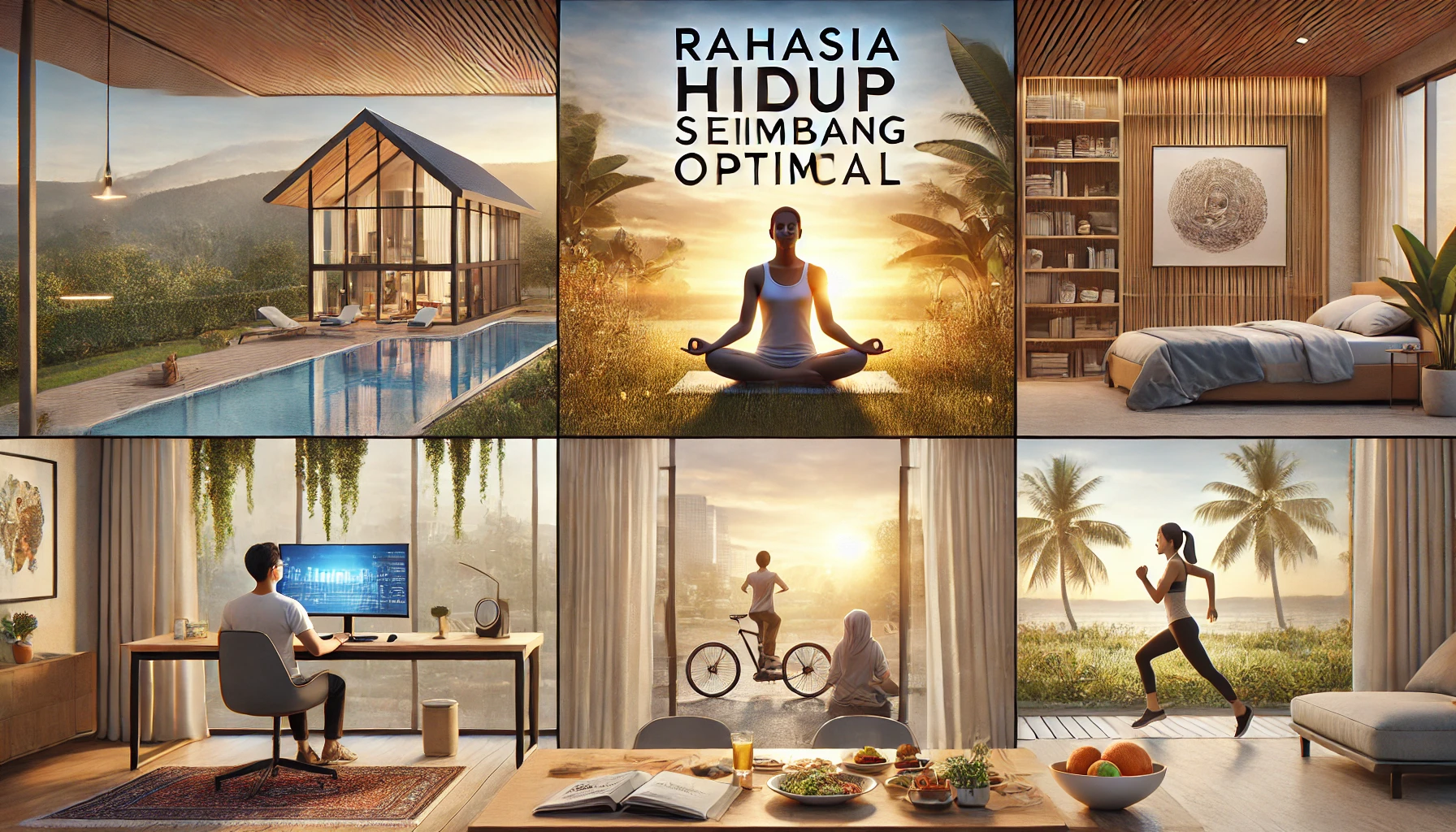
Kesehatan mental dan fisik menjadi fokus utama dalam setiap agenda perjalanan yang dirancang oleh para pakar kesehatan dunia. Banyak resor menawarkan program detoks digital total di mana pengunjung harus menitipkan perangkat elektronik mereka selama masa tinggal berlangsung. Hal ini bertujuan agar manusia bisa kembali terhubung dengan diri sendiri dan lingkungan sekitar tanpa gangguan notifikasi ponsel. Anda akan menemukan kedamaian batin yang sejati ketika Anda bersedia untuk mencoba dan Rasakan Tren Perjalanan 2026.
Layanan spa tradisional yang menggunakan rempah-rempah asli nusantara kini kembali populer karena khasiatnya yang sudah terbukti secara turun temurun. Para ahli terapis profesional akan memandu Anda melalui rangkaian perawatan yang menyegarkan seluruh anggota tubuh dari ujung rambut hingga kaki. Konsumsi makanan organik yang dipetik langsung dari kebun sendiri juga menjadi bagian integral dari program pemulihan kesehatan ini. Rasakan kesegaran alami tersebut dan biarkan tubuh Anda merespons positif saat Anda Rasakan Tren Perjalanan 2026.
Aktivitas fisik seperti mendaki gunung atau yoga di tepi pantai memberikan stimulasi dopamin alami yang sangat menyehatkan bagi jantung. Anda bisa bergabung dengan komunitas pencinta olahraga luar ruangan untuk menambah relasi baru yang memiliki minat dan visi serupa. Semangat kebersamaan dalam mengejar pola hidup sehat akan memotivasi Anda untuk terus mengeksplorasi batas kemampuan fisik yang ada. Segera ambil langkah pertama Anda menuju hidup yang lebih berkualitas dan mulailah untuk Rasakan Tren Perjalanan 2026.
Strategi Memilih Akomodasi Masa Depan
Sistem sertifikasi hijau yang transparan kini menjadi acuan utama bagi para pelancong saat memilih tempat menginap yang sangat bertanggung jawab. Anda harus memastikan bahwa hotel pilihan Anda mengelola penggunaan air dan limbah plastik dengan sistem teknologi yang sangat modern. Keputusan cerdas dalam memilih akomodasi akan memberikan rasa aman sekaligus kenyamanan yang luar biasa selama masa liburan Anda berlangsung. Inilah cara paling bijak bagi Anda untuk tetap menjaga bumi sekaligus tetap bisa Rasakan Tren Perjalanan 2026.
Banyak pengelola penginapan sekarang menawarkan fasilitas ruang kerja ergonomis yang menyatu harmonis dengan elemen alam hijau di sekeliling bangunan tersebut. Anda bisa bekerja dengan fokus tinggi sambil menikmati semilir angin pegunungan yang sangat menyehatkan bagi paru-paru dan sistem saraf. Arsitektur bangunan yang menggunakan material bambu atau kayu daur ulang menciptakan estetika ruang yang sangat estetik untuk konten media sosial. Mari kita dukung kreativitas para arsitek lokal ini dan segera bersiap untuk Rasakan Tren Perjalanan 2026.
Kepercayaan konsumen tumbuh pesat ketika pihak manajemen hotel berani menunjukkan dampak sosial positif bagi masyarakat yang tinggal di sekitar lingkungan mereka. Mereka menyajikan menu sarapan dari hasil tani penduduk lokal yang selalu segar dan memiliki cita rasa yang sangat autentik sekali. Anda akan merasakan kehangatan layanan yang tulus seperti berada di rumah sendiri namun dengan standar kualitas pelayanan internasional yang profesional. Segera tentukan destinasi impian Anda sekarang juga agar Anda bisa benar-benar Rasakan Tren Perjalanan 2026.
FAQ : Rasakan Tren Perjalanan 2026
1. Apa yang dimaksud dengan wisata regeneratif dalam tren 2026?
Wisata regeneratif adalah konsep di mana wisatawan berkontribusi aktif untuk memperbaiki atau meningkatkan kondisi lingkungan dan sosial di destinasi yang mereka kunjungi, sehingga tempat tersebut menjadi lebih baik setelah mereka tinggalkan.
2. Mengapa Astro-tourism menjadi sangat populer saat ini?
Popularitas ini muncul karena meningkatnya polusi cahaya di perkotaan, sehingga banyak orang mencari lokasi terpencil untuk melihat keindahan bintang dan fenomena langit secara jelas sebagai bentuk pelarian dari kehidupan urban.
3. Bagaimana teknologi AI membantu perjalanan saya di tahun 2026?
AI bertindak sebagai asisten pribadi yang menyusun itinerary berdasarkan minat spesifik, memantau perubahan cuaca secara real-time, hingga memberikan rekomendasi kuliner yang sesuai dengan preferensi diet dan kesehatan Anda.
4. Apakah Solo Travel masih aman dilakukan pada tahun 2026?
Ya, Solo Travel semakin aman berkat kemajuan teknologi pelacakan lokasi, aplikasi komunitas pelancong yang terverifikasi, serta meningkatnya kesadaran destinasi wisata dalam menyediakan fasilitas yang ramah dan aman bagi petualang tunggal.
5. Destinasi mana di Indonesia yang paling direkomendasikan untuk tren 2026?
Desa-desa wisata di wilayah Nusa Tenggara Timur, perbukitan di Sulawesi, serta pusat meditasi di Bali utara menjadi rekomendasi utama karena menawarkan keaslian budaya dan kelestarian alam yang sangat terjaga.
Kesimpulan
Rasakan Tren Perjalanan 2026 masa depan menuntut kesadaran penuh dari setiap individu untuk menjaga kelestarian alam serta menghargai kearifan budaya lokal yang sangat luhur. Anda memegang kendali penuh dalam menciptakan dampak positif bagi lingkungan melalui pilihan destinasi yang lebih cerdas dan bertanggung jawab secara sosial. Keberanian dalam mencoba teknologi baru dan mengeksplorasi sisi spiritual diri akan memperkaya makna hidup Anda secara menyeluruh dan mendalam. Segera wujudkan rencana petualangan impian Anda sekarang juga agar Anda benar-benar bisa tren perjalanan.
Jangan menunda lagi kesempatan langka untuk mengeksplorasi keajaiban dunia baru yang kini sudah berada tepat di depan mata Anda. Ambil langkah nyata sekarang dengan memesan tiket perjalanan impian yang akan mengubah cara Anda memandang kehidupan secara luar biasa. Jadilah pelopor wisata masa depan yang membawa dampak positif bagi bumi tercinta serta mulailah untuk Rasakan Tren Perjalanan 2026.